
What to Know Before You Buy a Car 5 Research Tips from the McClinton Team
Posted at Tue, Jul 22, 2025 1:59 PM
What to Know Before You Buy a Car 5 Research Tips from the McClinton Team
Buying a car is a significant decision. It involves more than just picking a model you like.
Whether you're eyeing a new or used vehicle, preparation is key.
Research is your best friend in this process. It helps you make informed choices.
The McClinton Team is here to guide you. We offer expert tips for buying a car.
Our advice covers both new and used car purchases. We aim to simplify your car-buying journey.
Understanding your needs and budget is crucial. It sets the foundation for a successful purchase.
We will explore the pros and cons of new versus used cars. This helps you weigh your options.
Stay with us as we delve into essential car-buying tips. Your dream car awaits!
Why Research Matters: The Foundation of Smart Car Buying
Before you step foot in a dealership, it’s vital to arm yourself with knowledge. Understanding car buying tips ensures you’re prepared to make wise decisions.
Comprehensive research lays the groundwork for a smart purchase. You’ll be equipped to avoid common mistakes. It’s not just about finding any car; it’s about finding the right car for you.
Why does research matter so much? For starters, it helps uncover essential details like a vehicle’s safety features, fuel efficiency, and resale value. It also prepares you for negotiating effectively, saving money in the long run.
Here are some crucial aspects to research:
-
Car models that fit your lifestyle
-
Dealerships with positive reputations
-
Financing options that work with your budget
-
Safety ratings of the vehicles you consider

A well-researched purchase also means understanding financing and additional costs. This way, surprises are minimized. When you know what to expect, you’re less likely to be swayed by high-pressure sales tactics. Every bit of research you do pays off in the end.
Tip 1: Define Your Needs and Set a Realistic Budget
Determining what you need in a car is critical for a successful purchase. Think about your daily routine and travel needs. Will you carry family or gear frequently?
Knowing this helps you focus on essential features. Consider vehicle size, fuel efficiency, and cargo space. This insight guides your choices effectively.
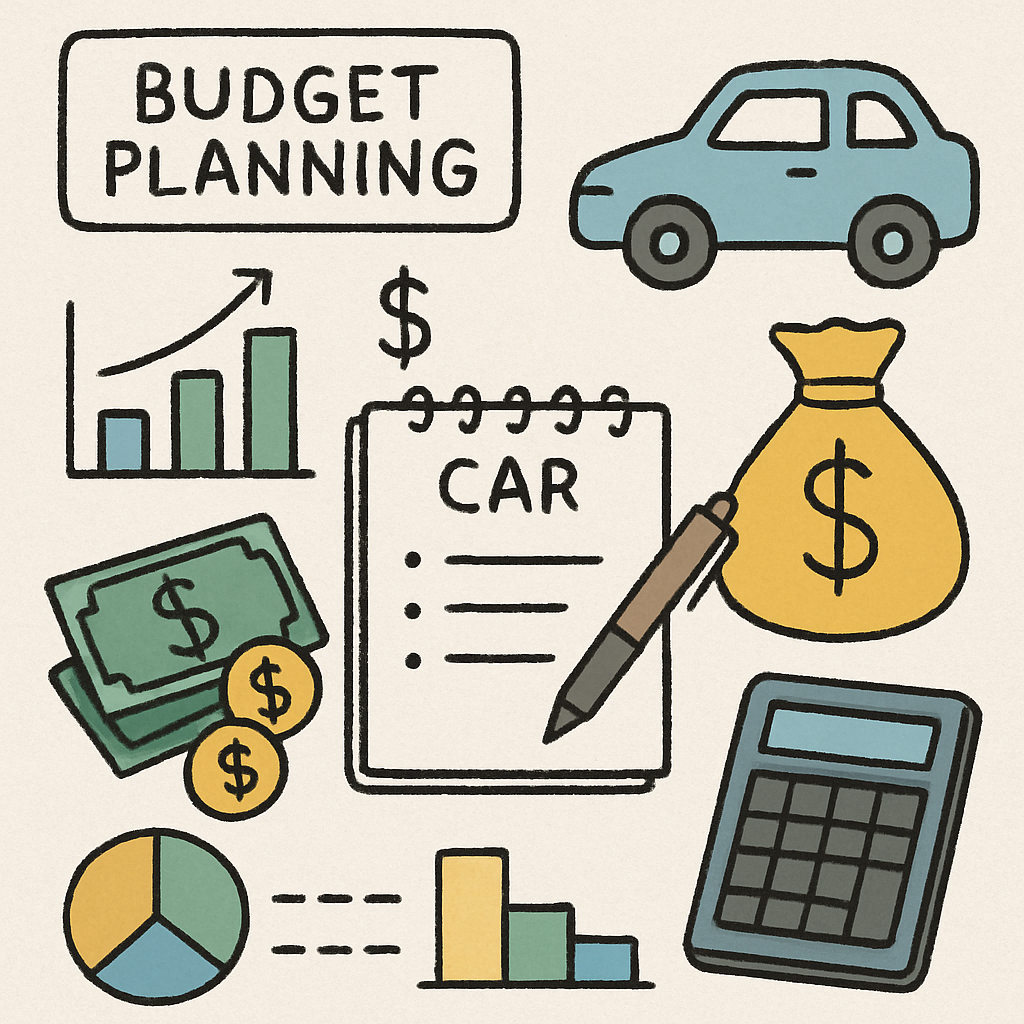
Next, a realistic budget is vital. It is crucial to account for more than just the sticker price. Remember to include taxes, registration fees, and potential loan interest.
Consider these financial elements:
-
Monthly insurance premiums
-
Maintenance and repair costs
-
Fuel expenses
-
Registration and taxes
Budgeting helps you avoid overspending and future financial strain. Reflect on how much you can afford both as a down payment and in monthly payments.
Think about financing options if needed. Know your credit score and explore loan offers. This ensures you receive favorable terms.
Setting a firm budget protects you from dealer tactics that might stretch your finances. Be honest with yourself about wants versus needs. This balance is fundamental to a smart purchase.
In the end, preparing financially safeguards your investment and enhances your buying experience. A car isn’t just a purchase—it’s a commitment. By defining your needs and budget, you lay the foundation for satisfaction and enjoyment.
Tip 2: New vs. Used – Weighing the Pros and Cons
Deciding between a new or used car is a key step in the buying process. Each option has distinct benefits and drawbacks. Understanding these can guide you to the right choice.
New cars come with the latest features and warranties. They offer peace of mind with no prior wear and a full warranty. Yet, they depreciate quickly, losing significant value in the first few years.
Used cars are typically more affordable. They avoid the steep depreciation new cars face once driven off the lot. However, they may come with hidden mechanical issues, so inspect carefully.

Here are some factors to consider when choosing:
-
Initial Cost: Used cars are cheaper upfront.
-
Depreciation: New cars lose value faster.
-
Features: New cars have the latest tech.
-
Reliability: Certified used cars offer reliability and some warranty.
-
Choice: Used cars offer a wider range of models and styles.
Certified Pre-Owned (CPO) vehicles present a middle ground. These are thoroughly inspected and backed by manufacturer warranties. This can provide both savings and security.
Consider your lifestyle and how each option aligns with it. Do you value having the newest technology, or is budgeting a priority? Make sure to balance financial implications with desire for new features.
Evaluating these factors ensures that your decision aligns with both your needs and budget. Whether you choose new or used, thoughtful consideration will help you feel confident. The key is to understand what truly matters to you and to weigh those priorities carefully.
Tip 3: Investigate Vehicle History and Reliability
When buying a used car, knowing its history is crucial. Vehicle history reports provide insights into past ownership and any accidents. This can help avoid hidden issues.
A report will show service history and any previous damage. It’s essential to request this information from the seller. This knowledge can protect you from future surprises.

Reliability is equally important. You want a car that you can depend on for years. Checking reliability ratings of different models can guide your decision.
Here are steps to assess a used car's history and reliability:
-
Obtain a vehicle history report from services like Carfax or AutoCheck.
-
Review the car's maintenance records to ensure regular servicing.
-
Research common issues with the car model for insight into future concerns.
-
Consult consumer reviews for firsthand accounts of reliability.
-
Use online resources to check the car's recall status.
It’s wise to have an independent mechanic inspect the car before purchase. They can spot problems you might overlook. This is especially important if buying from a private seller.
Certified Pre-Owned vehicles often come with detailed history reports. They undergo thorough inspections and provide assurance of quality. This can be a smart option for those looking for reliability.
Don't rush when evaluating history and reliability. Taking time to conduct comprehensive research can save you from a costly mistake. Understanding a car's past and its reputation for durability is invaluable.
Knowing the history and reliability ultimately gives confidence in your purchase. It ensures you're investing in a vehicle that will meet your expectations and serve you well. Choose wisely, and your decision will reward you with years of dependable performance.
Tip 4: Compare, Test Drive, and Evaluate Total Ownership Costs
Comparing different cars is an essential step in the buying process. It's important to look at various models and brands to get a sense of what's available. Visit multiple dealerships to see a range of options firsthand.
Don't forget the test drive. It's your chance to feel the car's performance, comfort, and features. Schedule test drives for multiple models to note differences in handling and ride quality. A thorough test drive helps pinpoint personal preferences.

Evaluating total ownership costs goes beyond the sticker price. Consider factors such as maintenance, insurance, and fuel efficiency. These contribute significantly to the long-term cost of owning a vehicle.
Here are key areas to consider in cost evaluation:
-
Fuel Efficiency: Compare the miles per gallon (MPG) for city and highway driving.
-
Maintenance: Research common repair costs and frequency for each model.
-
Insurance: Check insurance rates, which can vary based on car type and coverage.
-
Depreciation: Understand how fast the car loses value over time.
-
Taxes and Fees: Factor in sales tax, registration, and possible dealership fees.
Taking these costs into account helps create a realistic budget. It's not just about what you pay upfront, but what you'll need to spend throughout the car's life. Make sure you choose a vehicle that fits comfortably within your financial means.
Comparing and evaluating costs ensures you make an informed decision that aligns with your lifestyle and budget. You want to enjoy your new car, not stress over unforeseen expenses. So, do the homework to drive away with peace of mind.
Tip 5: Master the Art of Negotiation and Finalize with Confidence
Negotiation can feel daunting, but it's a crucial part of car buying. Arriving prepared will improve your odds of a favorable deal. Research market prices to have a baseline for negotiations.
Confidence is key in negotiations. Stay firm on your budget and don't be swayed by unnecessary upsells. Dealerships often offer additional features that sound enticing but might not be essential for you.

Practicing negotiation tactics can be beneficial. Here are some strategies to consider:
-
Start Low: Begin with a lower offer, knowing there's room for discussion.
-
Be Patient: Don't rush the process; take your time to make an informed decision.
-
Stay Informed: Use your research as leverage to support your offers.
-
Show Willingness to Walk Away: Sometimes, being ready to leave can lead to better offers.
-
Be Polite and Respectful: Maintain a friendly demeanor to keep negotiations smooth.
Finalizing the deal involves understanding the terms thoroughly. Read all documentation carefully before signing. Pay close attention to financing agreements if you’re opting for an auto loan.
Ensure there are no hidden fees or unexpected charges. Ask the dealer to explain any points you don’t understand. Clarity at this stage prevents confusion and future issues.
Don't forget to consider future relationships with your dealer. A positive experience can lead to perks like discounts on services or parts. Keeping the lines of communication open can be advantageous.
Successfully negotiating your car purchase sets the tone for your entire ownership experience. The right strategy and mindset make all the difference. Remember, confidence comes from preparation, so take the time to learn and practice your negotiation skills.
Bonus Tips: Avoiding Common Pitfalls and Scams
Navigating the car buying process requires awareness of potential pitfalls and scams. Knowledge is your best protection against common issues. One frequent scam involves misleading financing offers that seem too good to be true.
Always be cautious of any pressure to close a deal quickly. Some unscrupulous dealers might rush you to hide defects or inflate prices. A thorough inspection and review of all documentation is essential before committing.
Here are some additional tips to avoid scams and pitfalls:
-
Verify Vehicle History: Ensure all information is accurate.
-
Check for Recalls: Research any recalls for the model.
-
Beware of Unusually Low Prices: If it seems too good, it might be a red flag.
-
Avoid Unverifiable Sellers: Stick to reputable dealerships.
-
Get Everything in Writing: Avoid relying on verbal agreements.
Staying informed and vigilant can save you from many common headaches. Remember, a cautious buyer is a smart buyer. Always trust your instincts and don’t hesitate to walk away from a deal that doesn’t seem right.
Frequently Asked Questions About Buying a Car
When buying a car, many prospective buyers have questions. Understanding common inquiries helps in making informed decisions. Here, we address frequent questions to ease your buying journey.
What factors should I consider when choosing a car? Consider your budget, lifestyle needs, and future costs. It's essential to balance affordability and long-term value.
How can I ensure I'm getting a fair price? Research market prices and compare offers. Knowledge of typical costs helps in negotiations.
Here's a quick list of FAQ topics:
-
Financing Options: What's best for my credit score?
-
Insurance Rates: How much should I budget?
-
Vehicle Inspection: Is a pre-purchase inspection necessary?
-
Trade-Ins: How do they affect the final price?
-
Dealership Choices: How to choose a trustworthy dealer?
These queries highlight key aspects of car buying. By addressing them, you're equipped to navigate the car market effectively.
Conclusion: Your Roadmap to a Confident Car Purchase
Embarking on the car-buying journey can be daunting. However, equipped with the right information, you can proceed with confidence. Following these research tips ensures a smoother and more informed purchase process.
With a well-prepared plan, you're not just buying a car; you're making a smart financial move. Armed with these strategies, you're ready to find the vehicle that fits your lifestyle and budget perfectly. Drive away with assurance and satisfaction knowing you've made a wise decision.